Jamaican Food Essentials: Dishes Everyone Should Know
Jamaican food has a way of announcing itself before it reaches the table. You smell pimento smoke before you see jerk on a grill. You catch the warm spice of curry in the air long before the pot is opened. You hear the crackle of frying fish, the scrape of a spoon through thick gravy, the rustle of a paper bag holding a hot patty fresh from the bakery. It is a cuisine built on memory, migration, improvisation, and fierce standards. People may disagree on the best roadside jerk pan or whose grandmother makes the right rice and peas, but nobody treats the food casually.
Part of what makes Jamaican food so compelling is its balance. Heat matters, but so do sweetness, smoke, acid, herbs, and texture. The cooking draws from African, Indigenous, European, Indian, and Chinese influences, then turns those inheritances into something unmistakably Jamaican. A plate can be deeply comforting and sharply seasoned at the same time. A breakfast can be savory enough to carry you into late afternoon. A simple side dish can carry as much identity as the main.
For anyone trying to understand the essentials, it helps to start with the dishes Jamaicans return to again and again, at home, in cookshops, on beaches, at wakes, at holiday tables, and at roadside stalls. These are the foods that tell you what the cuisine values.
What makes Jamaican food distinct
The first thing to understand is that Jamaican cooking is not one-note spicy food, despite how often it gets flattened into that idea abroad. Scotch bonnet peppers are central, but so is restraint. A good cook knows when to let the heat lead and when to let it sit in the background. Seasoning is layered, often beginning with green onions, thyme, garlic, onion, ginger, allspice, and pepper, then deepened with browning, stock, curry powder, coconut milk, or fresh citrus depending on the dish.
Texture matters just as much as seasoning. Fried plantain should have caramelized edges. Festival should be crisp outside and soft within. A proper oxtail should yield under the fork, but the sauce should still have body. Rice and peas should be separate and tender, not sticky, not dry. Those details are where average cooking and excellent cooking part ways.
There is also a strong culture of side dishes that are not really side dishes in the secondary sense. Bammy, fried dumpling, boiled green banana, roasted breadfruit, festival, and hard dough bread all do real work on the plate. They absorb gravy, temper spice, and turn a portion of protein into a full meal.
Ackee and saltfish, the national touchstone
If one dish captures the character of Jamaican food, it is ackee and saltfish. It is the national dish, and it earns that status because it says so much in one pan. The saltfish, usually cod that has been salted and dried, brings salinity and chew. The ackee, when cooked properly, is delicate, buttery, and softly curded in texture, almost like scrambled egg at a glance, though the flavor is milder and more subtle. Then come onions, tomatoes, scallion, thyme, black pepper, and often Scotch bonnet, not always chopped in aggressively, sometimes just laid in the pot to perfume the dish.
This is where experience shows. Ackee is a fruit with strict handling rules, and cooks who know it respect it. It must be fully matured and properly cleaned before cooking. Once it is in the pan, rough stirring will break it down into mush. The best versions hold their shape while gently taking on the seasoning around them.
Ackee and saltfish is often served with boiled green banana, fried dumpling, roasted breadfruit, or plantain. Each pairing changes the meal slightly. Breadfruit gives it a starchy, almost creamy frame. Fried dumpling leans it toward indulgence. Boiled green banana keeps the plate sturdy and plain enough to let the saltfish dominate. At breakfast, this combination can easily carry someone through half a day of work, which helps explain why it remains so beloved.
Jerk, the flavor most people meet first
No discussion of Jamaican food can dodge jerk, but it is worth slowing down long enough to distinguish the real thing from the diluted version many people know. Jerk is not simply grilled meat with spicy sauce. It is a method, a seasoning philosophy, and, in its traditional form, a relationship to smoke.
The core flavor profile usually includes allspice, Scotch bonnet, thyme, scallion, garlic, ginger, and spices that can vary by cook. Some marinades are wet and thick, others more paste-like. Some lean sweeter, some saltier, some hotter. The traditional cooking method uses pimento wood, which gives jerk its unmistakable aromatic smoke. Without that smoke, you can still have very good spicy grilled chicken, but you are missing part of the point.
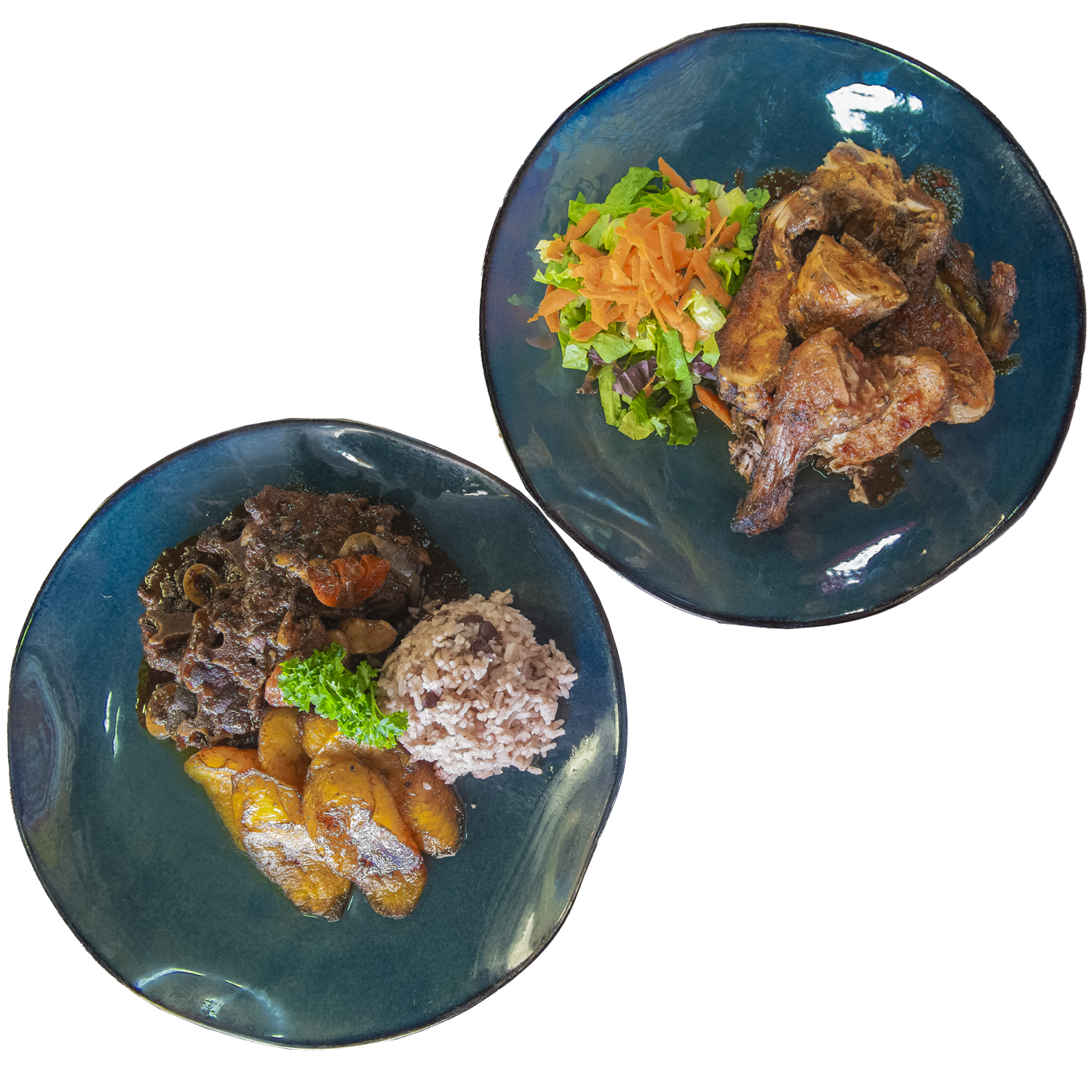
Jerk chicken is the most common version internationally, but jerk pork is just as important and, in many circles, even more prized. Pork takes smoke differently. It bastes itself as it cooks, especially when cut with enough fat, and develops those charred, sticky edges that people fight over. Good jerk should be hot, yes, but also fragrant, smoky, and deeply seasoned below the surface. If all you taste is raw heat, it is imbalanced.
The classic accompaniments matter too. Festival, with its faint sweetness, is not an afterthought. It softens the fire and catches the juices. Bammy does something similar in a different register, adding chew and a gentle cassava flavor. A little vinegar-based pepper sauce on the side can wake up the meat, but a strong jerk cook does not need to drown anything.
Curry goat, the celebratory staple
Curry goat shows the Indian influence on Jamaican cooking, but it is thoroughly local in how it tastes and how it is served. This is the dish that appears at parties, weddings, funerals, Sunday gatherings, and big family events. If it is on the menu, people expect it to be right.
The best curry goat starts well before the pot hits the fire. The meat needs time with seasoning. Garlic, ginger, scallion, thyme, black pepper, Scotch bonnet, and curry powder usually form the base, though every cook has a ratio they defend. Many Jamaican cooks “burn” the curry first, meaning they cook the curry powder in hot oil before adding the meat. That step changes the flavor dramatically. It takes the raw edge off the spice blend and gives the finished gravy a deeper, rounder taste.
Goat itself is not a forgiving meat if handled carelessly. It can turn tough or carry a strong gaminess if the cleaning and seasoning are rushed. But when done properly and cooked low and slow, it becomes rich, savory, and almost sticky around the bones. Potatoes are common in curry goat, partly to stretch the dish for a crowd and partly because they absorb the gravy so well.
Rice is the natural partner, usually white rice or rice and peas. This is one of those cases where restraint helps. The curry should dominate, while the rice offers relief and structure. A plate of curry goat that is too soupy feels unfinished. One that has been reduced patiently, until the gravy clings and the meat nearly collapses, is a serious thing.
Rice and peas, the side dish that anchors the table
Visitors sometimes assume “peas” means green peas, but in Jamaica it often refers to beans, especially red kidney beans or gungo peas depending on the dish and season. Rice and peas is one of the most important supporting players in the cuisine. It is so common that people can overlook how much skill it takes.
At its best, rice and peas is aromatic and balanced. Coconut milk gives richness. Thyme adds a clean herbal note. Scallion, garlic, onion, and allspice often work in the background. The beans should be tender, and the rice should remain distinct. Too much coconut milk and the dish gets heavy. Too little seasoning and it tastes flat. Overcooked rice is a common failure point in any cuisine, but in Jamaican cooking, where sauced meats often share the plate, the texture matters even more.
Rice and peas belongs with Sunday dinner in many households, especially alongside chicken, oxtail, or curried meats. During the week, plain white rice might be more common, but rice and peas carries a little extra ceremony. It makes the meal feel complete.
Oxtail, slow-cooked and deeply rewarding
Oxtail has shifted from humble cut to luxury item in many places because of demand, but its place in Jamaican cooking goes back to a practical instinct for extracting maximum flavor from tougher cuts. A good Jamaican oxtail dish is dark, glossy, and patient. There is no rushing it.
The pieces are usually seasoned and browned first, then braised with herbs, onion, garlic, broad beans or butter beans, and enough liquid to become gravy rather than broth. Browning sauce often contributes color and a slight bittersweet edge. The collagen in the tail breaks down slowly, giving the sauce body without flour or other thickeners. Done right, the meat should come away from the bone with very little pressure, but it should not disintegrate into strands the way overcooked stew beef can.
This is one of the clearest examples of Jamaican home cooking at its best. It turns a cut that once demanded thrift into something people seek out. A spoonful of the gravy over rice and peas is often the first test. If that tastes right, the rest of the plate usually follows.
Escovitch fish, sharp, crisp, and bright
Not every essential Jamaican dish is heavy or slow-cooked. Escovitch fish brings crunch and acid to the table. Whole fish, often snapper, is seasoned, fried until crisp, and then topped with a hot pickled dressing of carrots, onions, Scotch bonnet, and vinegar. Some cooks add pimento berries for extra fragrance. The contrast is the point. You get crisp skin, tender flesh, and that sharp, spicy topping cutting through the richness of the frying oil.
Escovitch is popular on beach trips, holidays, and weekends, especially when paired with bammy or festival. It is also one of the dishes that tells you a lot about timing. If the fish sits too long under the pickle, the skin softens and loses its appeal. If the vegetables are too raw and thickly cut, they dominate instead of complementing. The sweet spot is fresh enough to preserve texture, but seasoned enough that the vinegar and pepper have had time to settle into the vegetables.
For people who think Jamaican food is always heavy with gravy, escovitch fish can be a revelation. It shows another side of the cuisine, lively, bracing, and precise.
Jamaican patties, everyday eating at its best
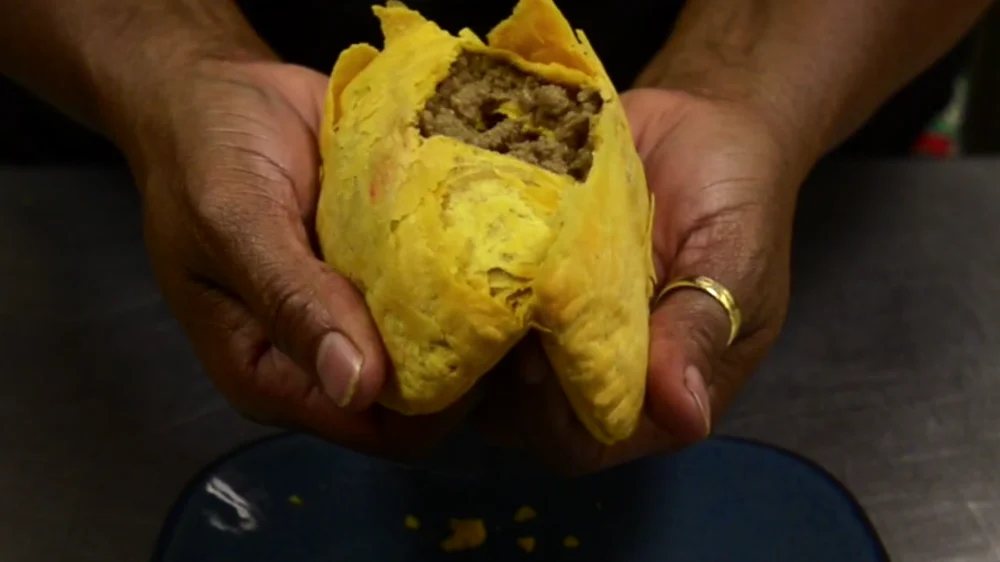
Few foods are as woven into daily Jamaican life as the patty. It is fast food in the best sense, widely available, deeply familiar, and capable of being either very ordinary or genuinely excellent. The shell is typically flaky and golden, often colored with turmeric or curry powder, and the filling ranges from seasoned beef to chicken, vegetable, shrimp, or ackee.
The beef patty is the standard against which the others are judged. The filling should be moist, savory, and properly spiced, with a texture that is cohesive without becoming paste. The pastry should shatter slightly when bitten, but not crumble apart before it reaches your mouth. A patty that leaks grease excessively or tastes dry inside is a disappointing one.
There is also the matter of coco bread, the soft, slightly sweet bread that many people use to sandwich a patty. It is not mandatory, but it is beloved for a reason. The bread softens the pastry’s edges, catches the crumbs, and turns a quick snack into a more filling meal. In school, on lunch breaks, at bus stops, after late nights out, patties do steady work.
Brown stew chicken, the weeknight classic
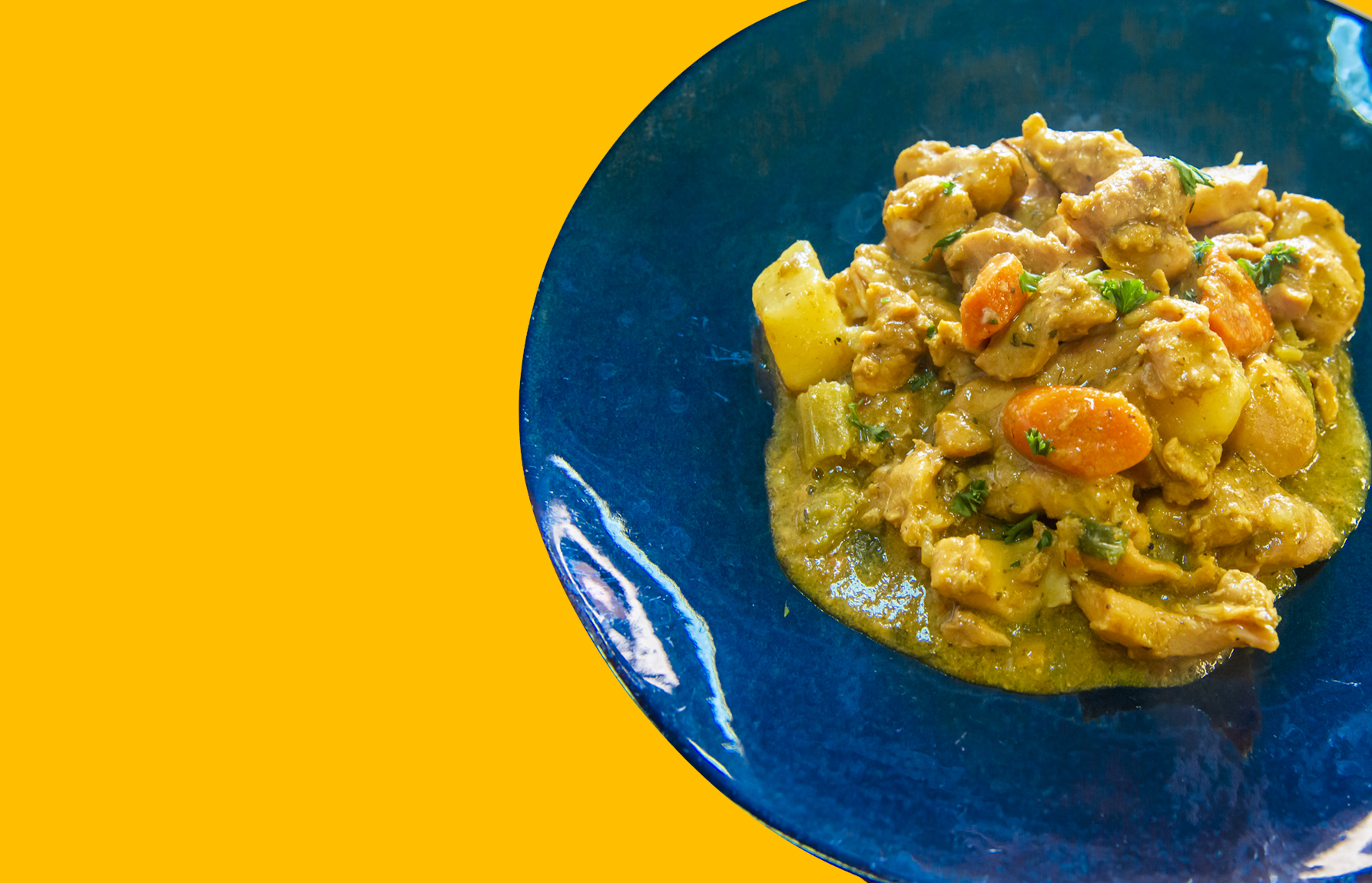
Brown stew chicken rarely gets the same global spotlight as jerk, but it is one of the dishes that best represents Jamaican home kitchens. This is the kind of food that appears on an ordinary day and still feels satisfying. Chicken is seasoned, often marinated, then browned before being simmered with onion, scallion, thyme, tomato, garlic, bell pepper, and enough liquid to produce a rich, dark gravy.
The word “brown” matters. A pale stew misses the point. Browning sauce or caramelized sugar may be used to deepen color and flavor, but there is judgment involved. Too much can make the dish bitter. Too little leaves it underdeveloped. The gravy should be savory and lightly sweet from the cooked vegetables, with heat present but not overwhelming.
This is also a dish that welcomes variation. Some cooks include carrots, some do not. Some lean into a thicker gravy, others keep it looser. It pairs naturally with white rice, rice and peas, boiled provisions, or even bread if that is what is on hand. That flexibility is part of its strength.
Callaloo and the importance of greens
Callaloo is both an ingredient and a dish, usually referring in Jamaica to leafy greens cooked down with onion, tomato, scallion, thyme, garlic, and pepper. Sometimes saltfish is added. Sometimes it is kept vegetarian. It can appear at breakfast or alongside dinner, and it deserves more attention than it often gets outside the island.
What makes callaloo essential is not just its taste, though a well-cooked pan is savory and pleasantly mineral without being harsh. It is the way it rounds out the table. Jamaican food is rightly celebrated for meats, fish, and starches, but dishes like callaloo show the cuisine’s practical intelligence. Greens are not treated as punishment or decoration. They are seasoned assertively and cooked to belong beside stronger flavors.
A breakfast with callaloo, saltfish, boiled dumpling, and plantain can be every bit as satisfying as a plate centered on ackee. For cooks trying to understand Jamaican flavor, callaloo is instructive because it teaches balance. Too much water, and it turns flat. Too little seasoning, and it tastes austere. Too much pepper, and you lose the leafiness that makes it appealing.
Rundown, where coconut does the heavy lifting
Rundown is one of the dishes that shows how naturally coconut belongs in Jamaican cooking. Most commonly made with mackerel, it simmers fish in coconut milk with onion, tomato, thyme, and pepper until the sauce “runs down” into something thick, savory, and intensely flavored. The fish, especially if salted or smoked, seasons the coconut from within.
This is a dish that can surprise people unfamiliar with the cuisine, because the coconut milk is not used for sweetness. It creates depth and body, giving the pot a richness that is very different from dairy-based cream sauces. Served with boiled green banana, yam, dumpling, or breadfruit, rundown feels rooted in the logic of island cooking, making the most of preserved fish, local starches, and coconut.
A strong version should taste of sea, herb, and coconut in balance. If the fish overwhelms everything, it becomes harsh. If the coconut is left too sweet and bland, it becomes cloying. The pleasure is in the reduction, the way the ingredients tighten into one another.
Festivals, bammy, and the supporting cast that is not really supporting
It is impossible to understand Jamaican food by looking only at main dishes. The accompaniments shape the meal. Festival, slightly sweet and fried, often appears with jerk or fried fish. Bammy, made from cassava, brings chew and a faint tang, especially when soaked and fried well. Fried dumpling offers crispness outside and soft, dense comfort within. Roasted breadfruit can turn a fish dish into a feast. Boiled green banana and yam bring grounding starch without stealing attention.
These foods do more than fill space. They manage heat, catch gravy, and set the rhythm of eating. Someone who has never had escovitch fish with bammy or jerk with festival has not quite had the complete experience. Jamaican plates are composed with these interactions in mind.
The difference between authentic and merely familiar
People often use the word “authentic” loosely, but with Jamaican food, the issue is less about rigid purity and more about understanding the dish’s internal logic. A jerk chicken sandwich served in another country can be delicious without being traditional. A patty with an inventive filling can still feel true to form if the pastry and seasoning are respected. Problems start when key techniques are abandoned and the label remains.
Jerk without smoke can still be enjoyable, but it loses a defining note. Curry goat made with timid seasoning may be tender, but it will not carry the depth expected of it. Ackee treated roughly until it turns to paste is simply poor cooking. Jamaican food rewards confidence, but it also punishes shortcuts.
That is why the best versions often come from places that keep close to the habits of the home kitchen, even at scale. The seasoning goes in early. The meat gets time. The sides are not incidental. Pepper is used with intent. Nothing is leaning on sugar to hide weak flavor.
Why these dishes endure
The dishes that last in any cuisine usually solve more than one problem at once. Jamaican food does that beautifully. It makes preserved ingredients like saltfish taste alive. It turns tough cuts into luxuries through time and care. It pairs bold seasoning with starches and breads that https://marioavpz851.juniperbrief.com/posts/jamaican-food-inspiration-for-home-cooks make the meal feel complete. It adapts to breakfast, beach days, holidays, and late-night hunger without losing its identity.
If you are just beginning to explore Jamaican food, start with the essentials above and pay attention to the details around them, the smoke in the jerk, the tenderness of the goat, the texture of the ackee, the brightness on the escovitch fish, the way rice and peas quietly hold the whole plate together. Those details are where the cuisine speaks most clearly. Jamaican food is generous, but it is exacting too, and that combination is precisely why people keep coming back to it.
Reggae Pot Jamaican Grill
2243 S Monaco St Pkwy #104
Denver, CO 80222
+1 720-410-2956
FAQ About jamaican food
What is the best Jamaican food to try in Denver?
The best choice depends on your tastes. Popular options include jerk chicken, curry goat, slow-cooked oxtail, and savory patties. Reggae Pot lists these dishes on its menu, with sides such as rice and peas and plantains. Ask the Denver team about current availability and spice levels.
Is Jamaican food very spicy in Denver?
Heat varies by dish and preparation. Jerk seasoning often includes scotch bonnet peppers alongside herbs and allspice, while other dishes may have gentler seasoning. Ask about the heat of the specific dish and any sauce before ordering.
What are some popular Jamaican snacks?
Jamaican patties are a popular snack made with flaky pastry and savory meat or vegetable fillings. Other options include fried dumplings and festival, a sweet fried dough often served with savory dishes. Availability varies, so check the current menu when ordering.